

Economic Miracle—and Money Pit?
What’s wrong with the domestic Chinese stock market?

A New Oldest Star
Visiting researchers discover most distant star yet.
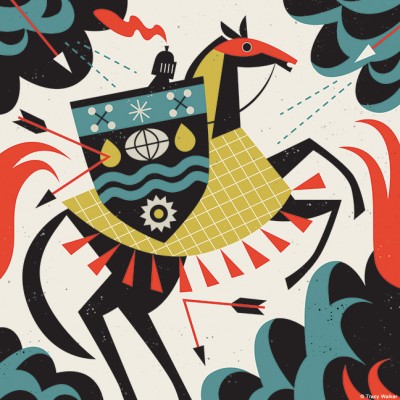
Legal Aid for Climatologists
Lauren Kurtz L’10 G’12 defends climate science and climate scientists.

A #MeToo Moment for PTSD
Prolonged exposure therapy can help sexual assault victims.

Sea Lion Diplomacy
High schoolers mediate human-sea lion coexistence.
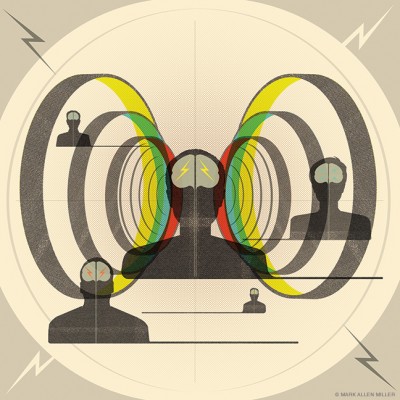
Phantom Concussions
Here’s what may have afflicted US diplomats in Cuba.
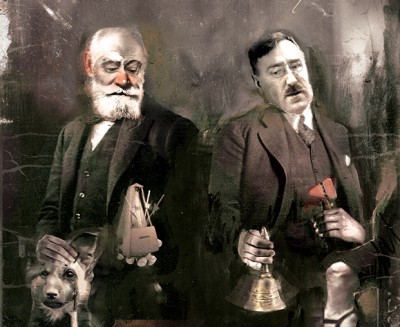
When William James Got Hungry
In an excerpt from his new autobiography, Penn psychology professor Martin Seligman tells the little-known story of the American Psychological Association’s annual meeting in 1904, held at Penn. Its reverberations were profound—for Penn psychology professor Edwin Twitmyer and for American psychology.
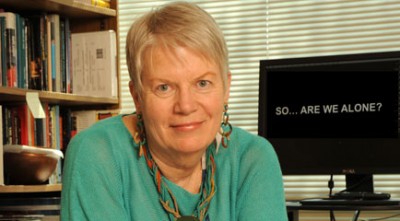
Alien Archaeology
Heard on Campus: Jill Tarter gives the third annual Women in Physics public lecture.
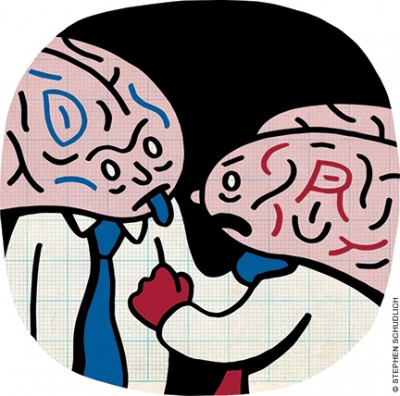
This Is Your Brain on Politics
Can brain imaging help heal extreme partisanship?

The Single-Payer Problem
Wage stagnation linked to dearth of employers.
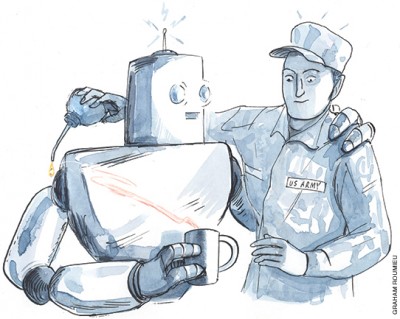
Team-Oriented Robots
$27 million to develop “teams of robots” for US Army.
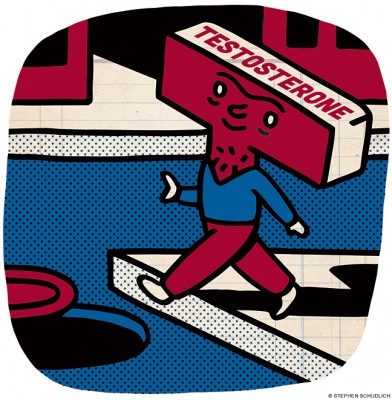
The Mistake Hormone
Testosterone and decision-making: speed over accuracy.

Hope for Katherine Belle
How one family’s journey through the realm of rare disease led them to the newest frontier of precision genetic medicine.
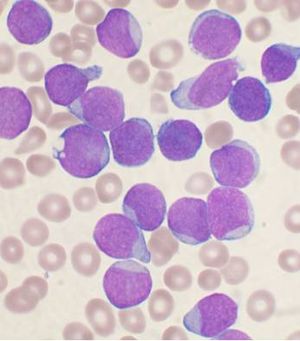
FDA Approves First Gene Therapy for Cancer
FDA approval for Penn-developed gene therapy for cancer.
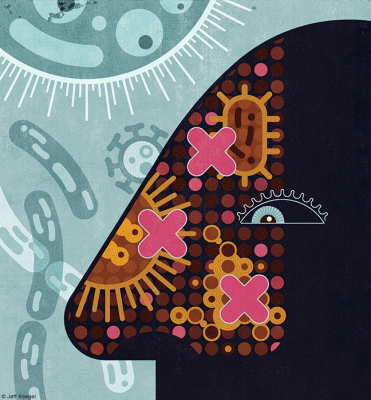
New Hope for Sinus Infections
Blocking sweet-taste receptors could clear stuffy sinuses.

Atlas for the End of the World
Auditing the globe’s protected landscapes—and the forces threatening them.
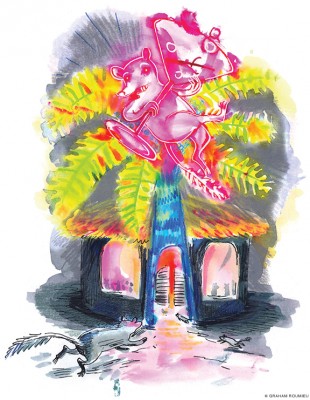
The Prehuman History of Cocktail Hour
Don't match drinks with the Malaysian pen-tailed tree shrew.

Fathoming Man’s Best Friend
Dog science gets an update.
Identity Cleft
In the age of hybrid cells and genetic medicine, where does human identity lie?
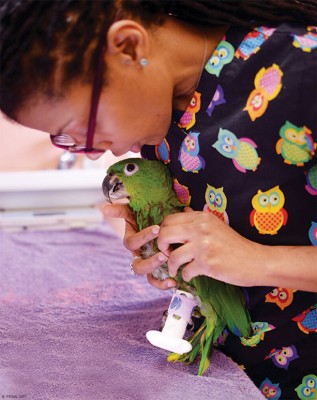
Parrot Gets a Pegleg
Penn Vet gave a parrot a (3D-printed) pegleg.
Science and Error
A history of unripe findings and unintended consequences.

Strange Brotherhood
The hidden chapter of wartime human experimentation in the DKE house.

Black Box Justice
Richard Berk designs computer algorithms that predict crime. As courts and cops increasingly use his and similar tools to shape everything from parole decisions to street policing, Berk has a warning: accuracy comes at the cost of fairness, and citizens must decide where justice lies.

Mapping the Human Journey
Combining old-school fieldwork and ethnography with up-to-the-minute gene-based analyses, Penn molecular anthropologist Theodore G. Schurr has helped shape our understanding of the movement of ancient peoples into the Americas.