

A Big Carrot for Social Entrepreneurship
President’s Innovation Prize to award $100,000.
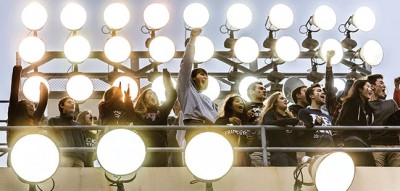
Streaking to a Surprise Championship
Football shares Ivy League crown; cross country competes nationally.

Scoreboard
From Oct. 5 to Dec. 7
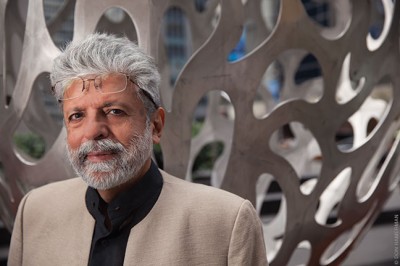
The Shapes of Things to Come
Haresh Lalvani Gr’81 believes there’s a universal code for architecture and sculpture—a “morphological genome” that determines the shape of built structures, similar to the way that DNA shapes living things. And he’s well into the process of decoding it.

Our Labs, Our Health?
In Risky Medicine, History and Sociology of Science Professor Robert Aronowitz argues that today’s fixation on diagnosing and managing risk factors rather than treating diseases leads to anxiety and stress, over-diagnosis of conditions and overuse of drugs, and radical treatments that are unnecessary or harmful.
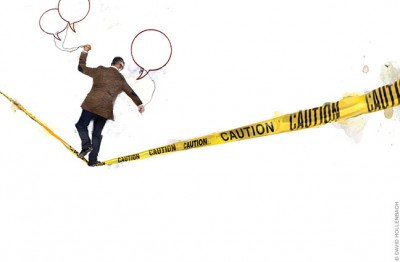
Walking on a Wire
One hundred years after a Penn professor was famously fired for his political views, a campus symposium on academic freedom wrestled with a familiar question: Are universities still homes of free speech and inquiry?
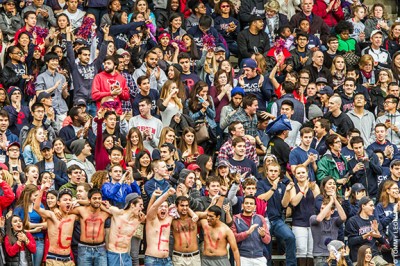
Homecoming 2015
Our annual photo essay. Plus: Alumni Award of Merit winners and citations.
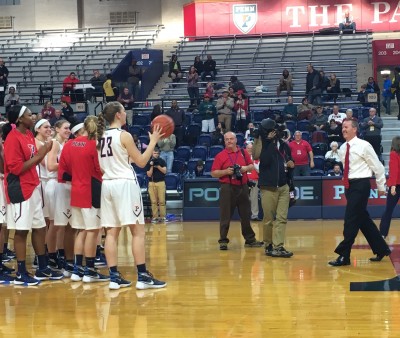
Mr. Milestone
Penn women's basketball coach Mike McLaughlin joins exclusive club with 500th career victory.
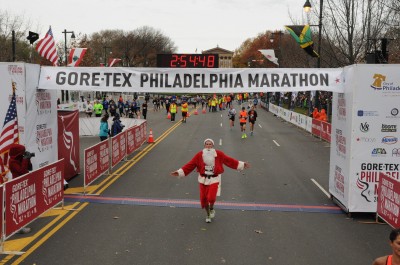
Christmas Spirit
Former Penn track runner Brian Lang C'08 sets Guinness World Record for fastest marathon ... in a Santa Claus suit.
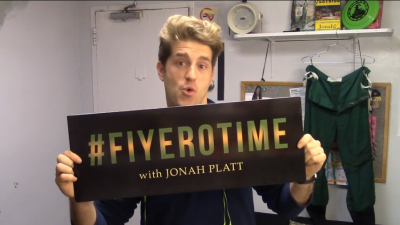
Life Behind the ‘Wicked’ Stage
Jonah Platt C'08, now starring in 'Wicked,' pulls back the Broadway curtain.
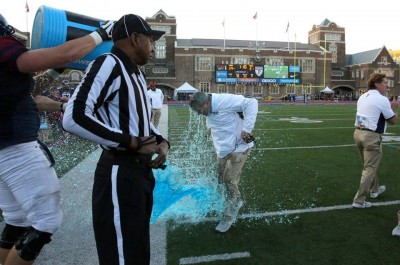
‘Heck Of A Ride’
Ray Priore completes magical first year as Penn's head football coach with improbable Ivy League championship.
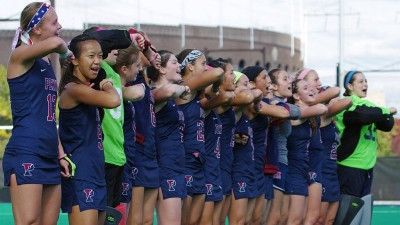
Your Handy Homecoming Athletics Guide
Previewing a busy Homecoming sports slate at Penn, including a field hockey title game, a football showdown and a soccer doubleheader.

Peeling Back the Vines
An exhibit at the Penn Library is painting a fuller picture of 'Madeline' author Ludwig Bemelmans.

Shooting Star Over Flushing
Brief fame, tragic fate: Penn baseball legend Grover Powell W’66.
Sexual Misconduct on Campus
Campus sexual-misconduct survey “confirms our deepest concerns.”
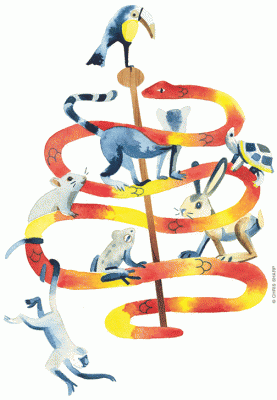
Exotic Pet Medicine
At Penn Vet, pet care goes way beyond cats and dogs.

Strangers Upon a New Shore
Convocation advice: “Embrace confusion.”
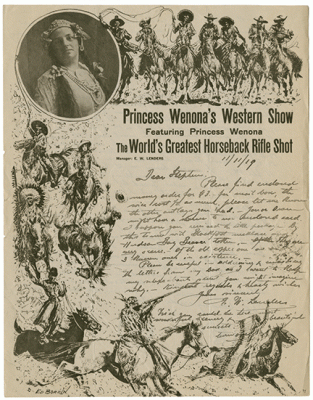
The Lost Art of Letterhead
The golden age of letterhead at the Penn Museum.

Beyond ‘Distrust and Verify’
Heard on Campus: Panel weighs in on Iran “After the Deal.”
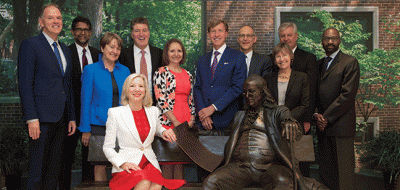
China Center Celebration
At China Center dedication, Ben on the Bench, Silfen Forum, and more.
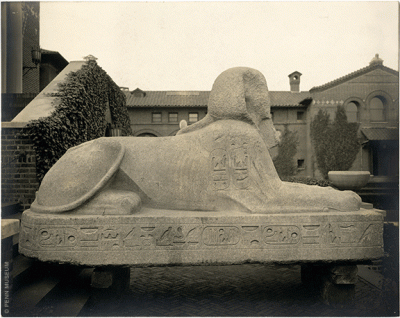
Century of the Sphinx
A big book on the Penn Museum’s “Colossal Sphinx.”
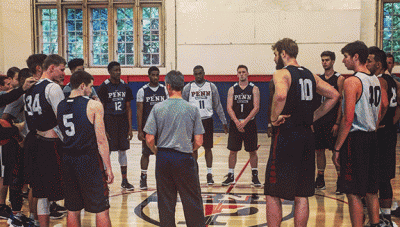
Sleeper Squad
Men’s basketball Coach Steve Donahue; Franklin Field renovations.
Scoreboard
From Aug. 30 to Oct. 4
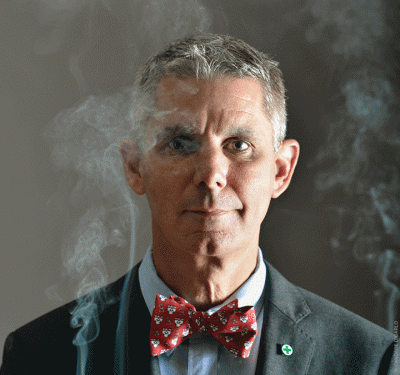
Pulling Weeds
David Casarett used to just say No when his hospice and palliative-care patients asked about using medical marijuana as a treatment or to relieve their symptoms. After researching and writing his new book, Stoned, his answer is “a lot more nuanced.”