

Thinking About Ukraine
Penn faculty examine the conflict from multiple perspectives—sometimes clashing, sometimes meshing, and often thought-provoking. Plus: Mike Logsdon C’03’s photographs from Ukraine.
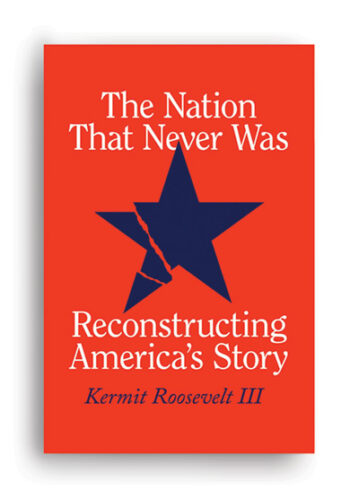
Reconstructing America’s Story
Kermit Roosevelt launches a provocative interpretation of the Declaration of Independence.
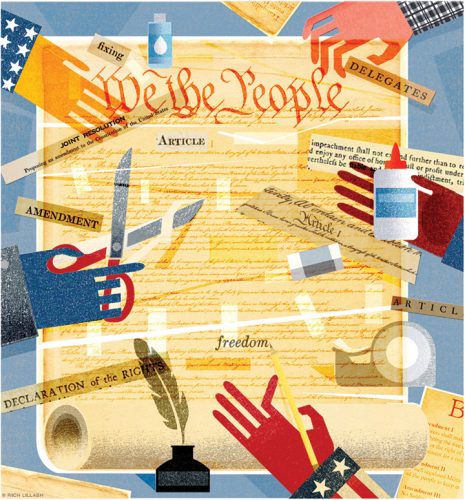
Constitution, Revised
Thomas Jefferson thought every generation should change the nation’s fundamental law. A new book imagines how that might have played out.

(Re)Introduction to US History
How two Penn professors revamped the entry-level history class for an age of instant information access and endless quarrels over the meaning of America’s past.
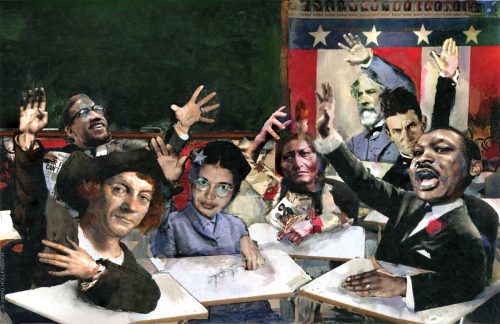
The History Wars
Education scholar Jonathan Zimmerman on how the US republic lost the ability to understand itself—and how we can help our children recover it.
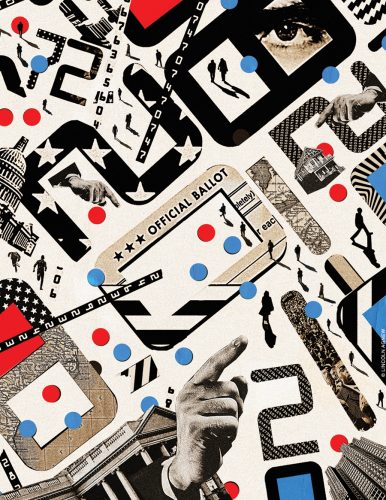
Calling It
How John Lapinski and a squad of Penn faculty and students backing him up on the NBC News Decision Desk navigated an election season that was unprecedented—and could set a pattern for the future.
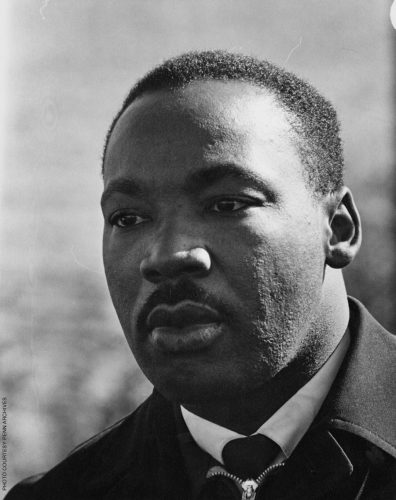
The Radical and Universal King
Virtual MLK Lecture features Cornel West.

Preserving Civil Rights Heritage
New center aims to preserve civil rights sites.
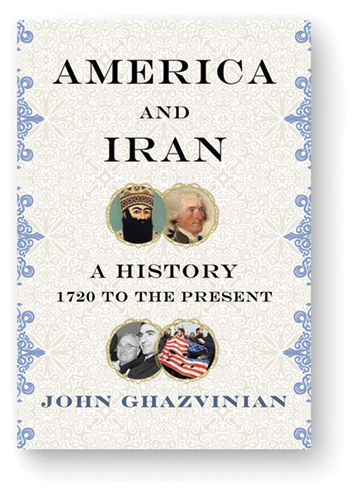
No Permanent Conflict?
Tracing America and Iran’s 300-year history.
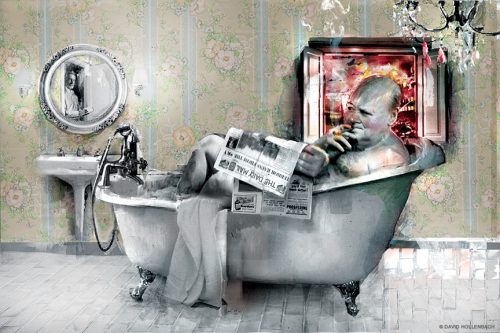
Courage Through History
From storms to serial killers to shipwrecks, bestselling author Erik Larson has made his name writing about frightening moments in history. When a new one came in the form of a global pandemic, readers found unlikely comfort in his latest book—a story of leadership, perseverance, and hope in the bleakest of times 80 years ago.
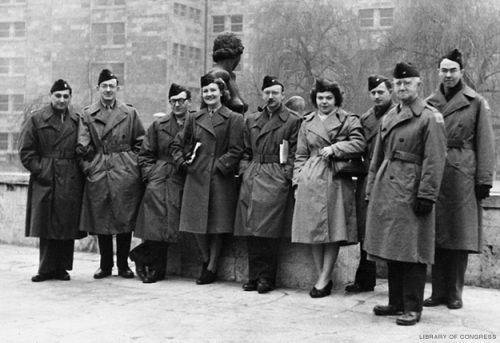
Cloak, Dagger, and Card Catalogues
Kathy Peiss on WWII’s librarian-spies. Information Hunters.
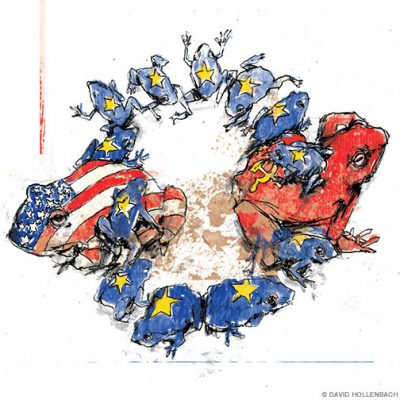
Göttingen, 1987
Ending the Cold War wasn’t about US (maybe).

The Iranian Revolution at 40
How human rights lost in the Iranian Revolution.
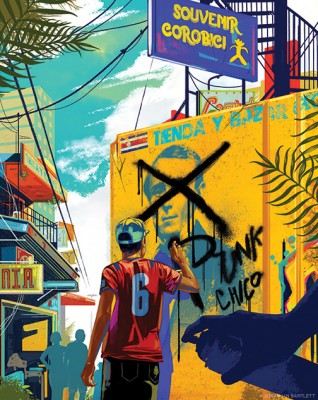
William Walker’s Dark Destiny
Newly settled in Costa Rica, a recent alumnus investigates the legacy of “filibuster” William Walker M1843—largely forgotten in the US but still perhaps the most hated man in Central America.
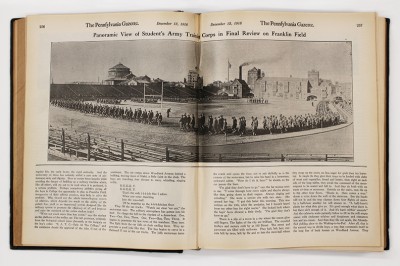
Safe at the College
After the Armistice.
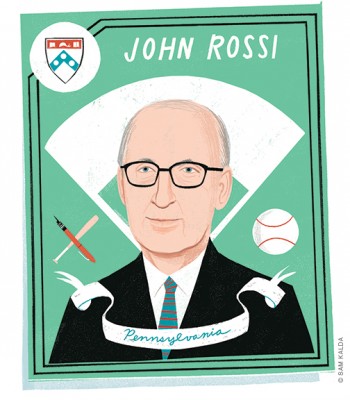
Horsehide Historian
John Rossi Gr’65 writes about America and baseball.

Penn and Slavery
New studies detail how Penn benefited from slavery.
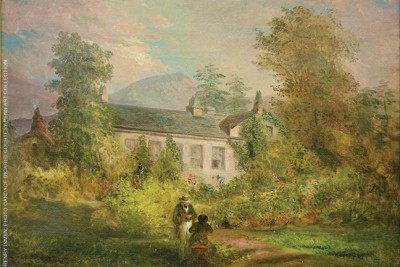
Wordsworth’s American Champion
Nearly two centuries ago, Penn professor Henry Hope Reed put William Wordsworth on America’s cultural map. More or less forgotten today (make that more), Reed was an impressive scholar whose enthusiasm for Wordsworth and English Romanticism helped shape the nation’s literary values.
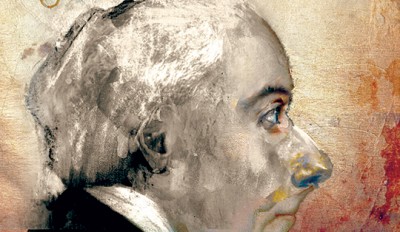
Rush on the Mind
A focus on mental illness was a constant throughout the multi-faceted career of Benjamin Rush, a signer of the Declaration of Independence, prolific writer, longtime Penn faculty member, and the most prominent—and controversial—physician of his day.
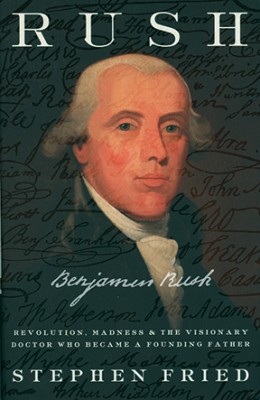
Fried on Rush and Rush
Gazette editor John Prendergast and author Stephen Fried talked about Fried’s new book.
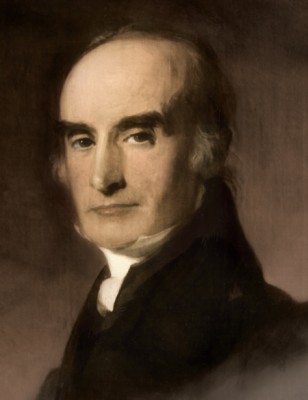
The Judges’ Lawyer
In successfully defending the irascible Supreme Court Justice Samuel Chase—aka “Old Bacon Face”—against impeachment, Joseph Hopkinson C1786 G1789 helped set a high bar for removal from office and establish the principle of judicial independence.
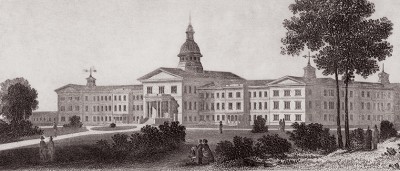
Of Beneficent Buildings and Bedside Manners
Thomas S. Kirkbride M1832 wrote the book—literally—on the housing and treatment of the mentally ill in the 19th century.

Becoming Nazi
Thomas Childers’ The Third Reich: A History of Nazi Germany.

From 10th-Grade English to Trigger Warnings
Two new books by Penn faculty explore how free expression
on campus became so fraught and what to do about it.