
Nanotechnology at Penn Gets a $11.4 Million Boost
NSF grants $11.4 million for nanotechnology

Checking Up on the Canines of 9/11
Study finds no ill effects in 9/11 search dogs
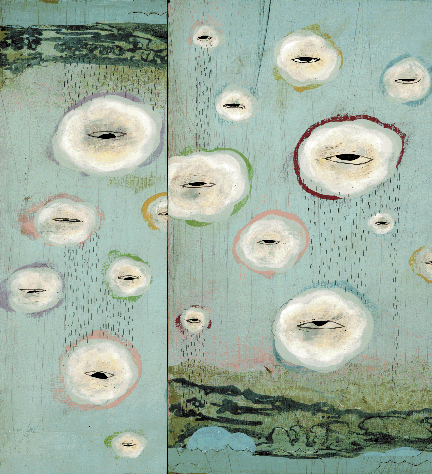
To Sleep, Perchance to Dream—and Remember
It’s true: A good night’s sleep improves performance

Drug-Free Depression Relief
New depression treatment uses magnetic energy

A Vote for Fairness
Should people with dementia be allowed to vote?
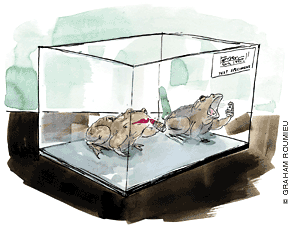
Kiss a Frog, Kill Germs?
Frog skin fights bacteria

More Time Doesn’t Mean Less Crime
Verdict: Stiffer sentences don’t deter crime.

Dodson’s Dinosaurs
Dual honors for dinosaur-expert Peter Dodson.
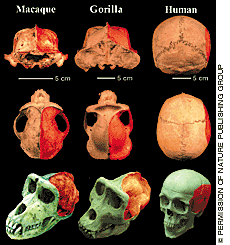
News to Chew On: Weaker Jaws, Bigger Brains?
Brains over bite.
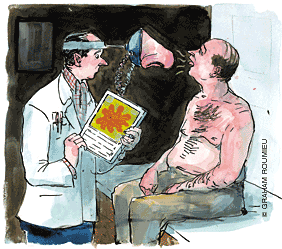
The E-Nose Knows Infections
Electronic nose sniffs out disease.

Closing Time
Edward Peeples’ research preserves “minutiae” of school lockout.
Who’s Who on the Savannah
Studying the social knowledge of a troop of baboons in Botswana, Penn researchers Dorothy Cheney and Robert Seyfarth gain insights into monkey cognition—and our own.

The Penn Urban Research Institute: Research, Knowledge, Solutions
Supporting the care and feeding of cities

Healthy Mouth, Healthy Baby
Brush for better births
“Now is the Time” to Address Alzheimer’s
$6 million gift creates Marion S. Ware Alzheimer Program
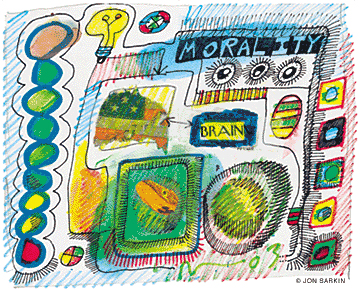
Who’s Minding the Brain?
As our ability to peek inside the brain—and to alter it—expands, the field of neuroethics is beginning to emerge (with the help of a few Penn Scholars) to study the implication for society and the individual.

The Input Bias: When Quantity Trumps Quality
More means better, right?
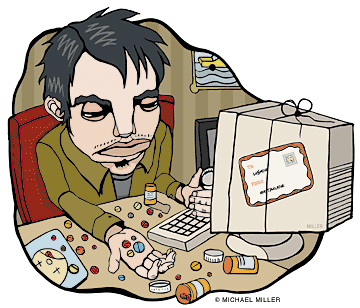
Opiates Without Rx —A Prescription for Trouble
Drug pushers go digital

Homework: Head Start
GSE to design Head Start curriculum

The Kindness of Strangers
Diagnosed with an aggressive form of leukemia, alumna Ruthie Spector faced long odds but was saved by an experimental drug treatment that made a bone marrow transplant possible. The donor drive organized in her behalf will save many more lives in the years to come.

French Lesson: Eat Less, Enjoy More
Petite portions keep French more fit

The Most Amazing Cell
The greenish glow in the petri dish—a marker for the presence of germ cells—showed that veterinary-school researchers had succeeded in a decade-long quest to get male-mouse stem cells to develop into eggs.
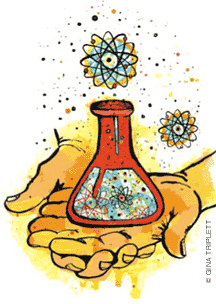
Conquering Cancer
From College Hall | The tide is turning, and the war could be won here

The Perils of Positive Puffing
With smoking, even happiness harms